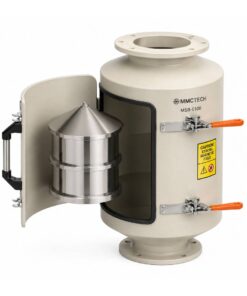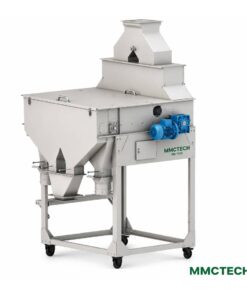
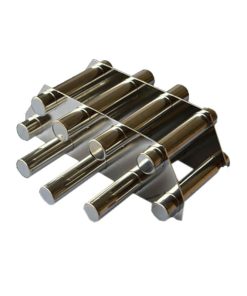
Easy-Clean Magnetic Grid Separator for Seed, Grain & Food Processing
The MMCTECH Easy-Clean Magnetic Grid Separator – MSE Series is a high-intensity magnetic separation system manufactured for removing ferrous metal contamination from seeds, grains, pulses, spices, powders, food ingredients, plastic granules, and other free-flowing bulk materials. Designed for installation in gravity-fed product lines, processing machinery, chutes, hoppers, drawers, and sieves, the MSE Series helps improve product purity, protect downstream equipment, and strengthen process safety throughout modern industrial facilities.
Metal contamination can enter a processing line through raw materials, worn machine components, damaged screens, maintenance tools, fasteners, conveying equipment, or upstream handling systems. Even small iron particles can damage mills, dehullers, color sorters, packaging machinery, and other precision processing equipment. The MMCTECH MSE Series creates a strong magnetic field across the product flow to capture ferrous fragments before they continue to downstream processes.
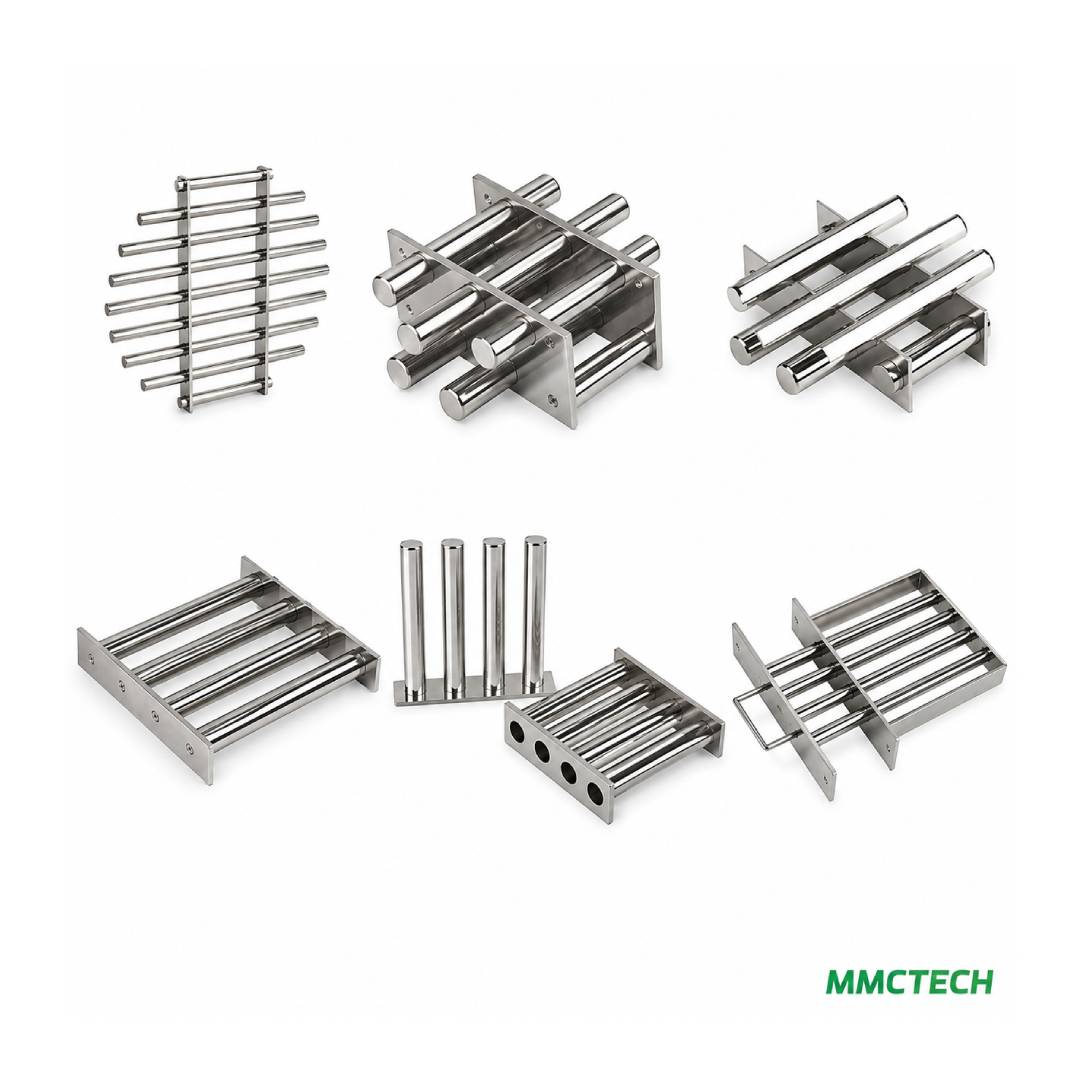
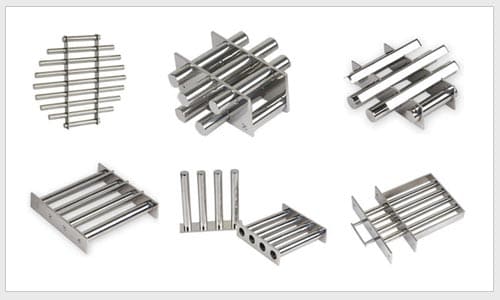
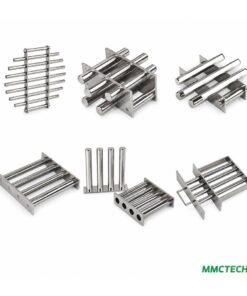
The system is available with high-intensity Neodymium (NdFeB) or ceramic magnetic elements, magnetic ratings from approximately 7,000 to 12,000 Gauss, and food-grade 304 or 316 stainless steel construction. Rectangular, round, and custom grid arrangements can be manufactured according to the dimensions of the receiving chute, hopper, drawer, sieve, or processing machine.
High-Intensity Magnetic Separation for Ferrous Metal Removal
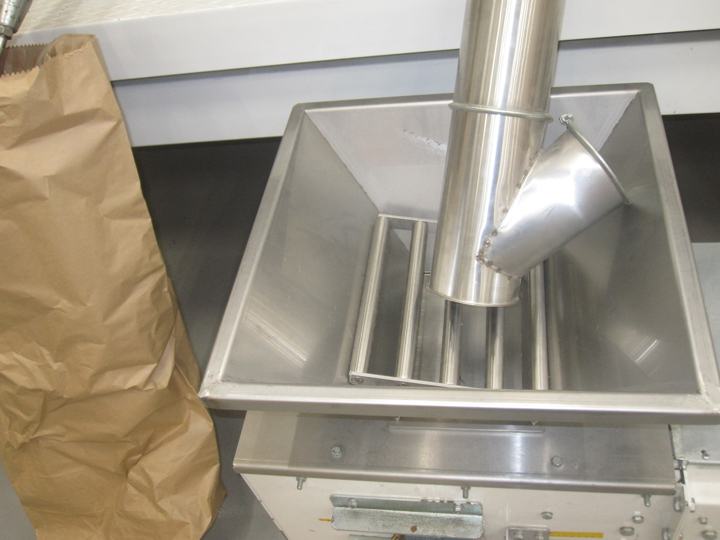
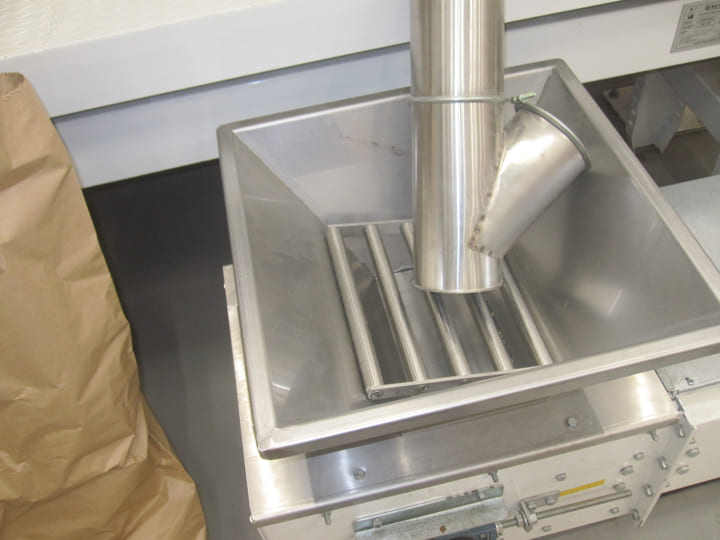
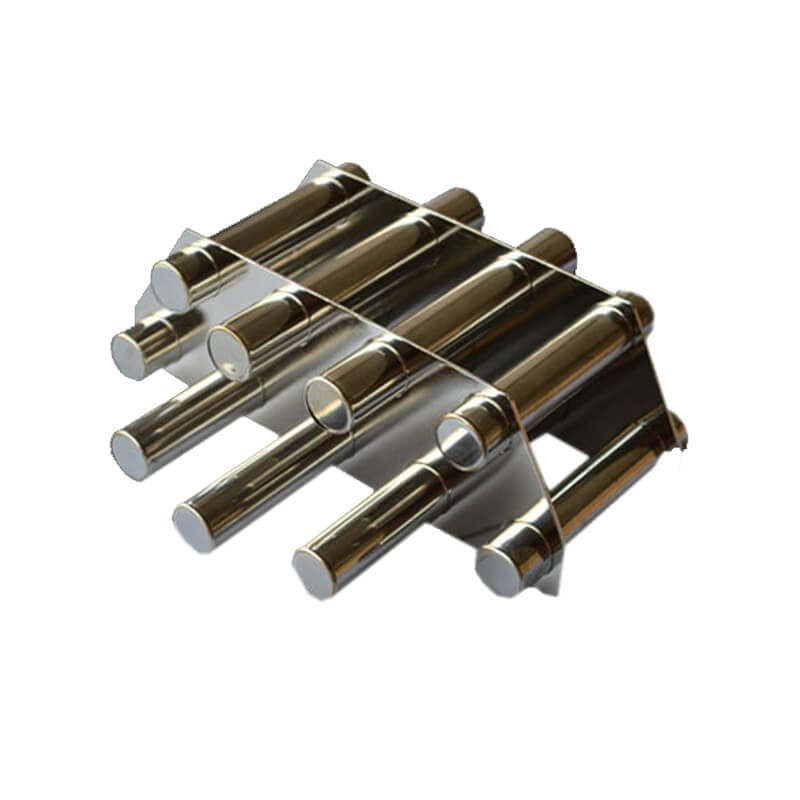
The MSE magnetic grid consists of multiple magnetic bars arranged across the material flow path. As seeds, grain, powder, or granules move over and between the bars, ferrous contaminants are attracted to the magnetic surfaces and retained while the cleaned material continues through the system.
The stated magnetic range of approximately 7,000 to 12,000 Gauss allows the system to capture various types of ferrous contamination, including:
- Iron fragments
- Steel particles
- Metal shavings
- Fine ferrous dust
- Wire pieces
- Fastener fragments
- Scale from upstream machinery
- Wear particles generated by processing equipment
Actual separation performance depends on magnetic intensity, contaminant size, material flow depth, product speed, distance from the magnetic surface, temperature, cleaning frequency, and installation arrangement. For the best results, product should pass close to the magnetic bars in a controlled and evenly distributed layer.
Magnetic Separator for Seed Processing Plants
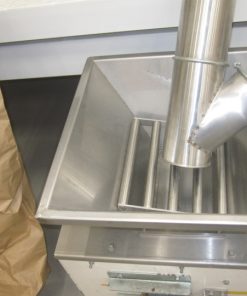
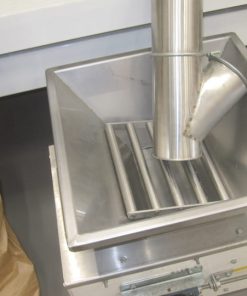
The MSE Series can be integrated into seed cleaning and grain processing lines before or after selected machines. Typical installation points include machine inlets, gravity spouts, product chutes, storage hopper outlets, bagging lines, and final quality-control points.
It can support processing lines for:
- Wheat
- Corn and maize
- Rice
- Soybeans
- Sunflower seeds
- Lentils
- Chickpeas
- Beans and kidney beans
- Peas and pulses
- Sesame
- Canola and oilseeds
- Spices
- Grass and garden seeds
- Specialty agricultural products
Installing magnetic separation before sensitive equipment can reduce the risk of metal-related damage. Installing it near the final discharge or packaging stage can provide an additional product-quality checkpoint before the cleaned material enters storage containers, bulk bags, or packaging equipment.
Integration with MMCTECH Processing Equipment
The MMCTECH MSE Series can be incorporated into complete processing plants serving:
- Seed pre-cleaner machines
- Fine screen seed cleaners
- Super fine screen cleaners
- Seed graders and sizing equipment
- Gravity separators
- Destoners
- Indented cylinder separators
- De-awners and brush machines
- Seed polishers
- Dehulling and milling machines
- Color sorters
- Seed treaters and coating systems
- Conveyors and bucket elevators
- Storage silos and hoppers
- Bagging and weighing systems
The magnetic separator does not replace mechanical seed cleaning, screening, optical sorting, or density separation. Instead, it provides a specialized metal-removal stage that complements the complete cleaning and processing line.
Food-Grade Stainless Steel Construction
The MSE Series can be manufactured using 304 or 316 grade stainless steel. These materials are commonly selected for food, seed, grain, powder, and hygienic processing applications because they provide smooth product-contact surfaces, corrosion resistance, and easier cleaning compared with untreated carbon steel.
The appropriate stainless steel grade depends on product chemistry, moisture, sanitation procedures, operating environment, and corrosion exposure. The system can also be supplied with food-safe sealing components where required by the application.
Final compliance with a plant’s food-safety program depends on the complete installation, product-contact material documentation, cleaning procedures, inspection frequency, validation, and facility requirements. Equipment should therefore be specified according to the buyer’s applicable hygiene and quality standards.
Easy-Clean Magnetic Grid Design
Accumulated metal must be removed from the magnetic bars regularly to maintain effective separation. The MSE Series can be configured with an easy-clean mechanism that allows captured contamination to be released more efficiently than with a permanently enclosed manual-clean grid.
Available cleaning arrangements may include:
- Easy-clean removable magnetic grid
- Drawer-style magnetic separator
- Manual-clean magnetic grid
- Magnetic grid for sieves
- Custom removable magnetic bar assembly
The best cleaning method depends on contamination load, access space, cleaning frequency, operator safety, sanitation procedures, and production schedule. High-contamination applications may require more frequent inspection and cleaning than lines handling already-cleaned material.
Magnetic Grids for Sieves and Screening Machines
The MSE Series can be installed above, below, or within compatible sieves and screening equipment. A magnetic grid placed near a screen can capture ferrous particles before they enter a downstream cleaner, mill, grader, or packaging line.
Custom grid dimensions allow the magnetic assembly to match rectangular, round, or project-specific openings. The arrangement of magnetic bars is selected to provide suitable product exposure while avoiding excessive restriction of material flow.
For applications with high throughput or difficult-flowing products, MMCTECH evaluates bar spacing, grid area, product depth, slope, chute geometry, and access requirements before defining the final design.
Applications in Food and Bulk Material Processing
In addition to seed and grain processing, MSE magnetic separator equipment can be used in suitable production lines handling:
- Flour and meal
- Sugar
- Salt
- Spice powders
- Food ingredients
- Animal feed materials
- Plastic granules
- Dry chemicals
- Bulk powders
- Free-flowing industrial granules
Material compatibility must be confirmed before ordering. Wet, sticky, highly abrasive, corrosive, compacting, or poorly flowing products may require a specialized housing, different bar spacing, stronger magnets, protective sleeves, vibration assistance, or alternative separation equipment.
Neodymium and Ceramic Magnet Options
Neodymium magnets provide high magnetic intensity in a relatively compact bar size and are commonly selected when fine ferrous contamination must be captured. Ceramic magnets may be appropriate for applications that require a different balance of magnetic strength, temperature resistance, operating environment, and cost.
The correct magnet type should be selected according to:
- Expected contaminant size
- Required magnetic strength
- Product temperature
- Material flow rate
- Cleaning frequency
- Installation dimensions
- Food-contact requirements
- Operating environment
The maximum stated operating temperature for the standard configuration is approximately 176°F (80°C). Magnetic strength can be affected by excessive heat, so higher-temperature applications require a magnet assembly specifically selected for the actual process temperature.
Custom Magnetic Grid Shapes and Dimensions
The MSE Series can be manufactured in rectangular, round, or custom grid shapes. Typical bar diameter is approximately 1.0 in (25 mm), while standard length and width ranges can be adapted to the project connection or equipment opening.
Custom manufacturing may include:
- Rectangular magnetic grids
- Round magnetic grids
- Drawer housings
- Magnetic grids for sieves
- Multiple-row magnetic bars
- Custom mounting flanges
- Food-safe gaskets
- Quick-release cleaning arrangements
- 304 or 316 stainless steel construction
MMCTECH reviews the chute dimensions, available installation space, product flow direction, throughput, cleaning access, and surrounding equipment before confirming the final geometry.
Passive Magnetic System with No Electrical Requirement
The standard MSE magnetic grid is a passive separation system and does not require an electrical supply. Permanent magnets continuously create the magnetic field without motors, electrical controls, or powered excitation.
This provides several operational advantages:
- No electrical power consumption
- No motor or drive maintenance
- Continuous magnetic force during production
- Simple integration into gravity-fed lines
- Compact installation
- Reduced mechanical complexity
Electrical power may be required only when the complete project includes automated drawers, sensors, alarms, actuators, or other powered accessories. Such components can be configured according to the plant’s control standard.
How to Choose the Best Magnetic Grid Separator
The best magnetic separator is selected according to the actual contamination risk and process conditions. Important selection factors include:
- Type and size of ferrous contamination
- Required Gauss rating
- Product flow rate
- Depth of material over the magnetic bars
- Bulk density and flowability
- Operating temperature
- Available installation space
- Chute, drawer, or sieve dimensions
- Required stainless steel grade
- Cleaning frequency
- Manual or easy-clean configuration
- Food-contact and sanitation requirements
- Upstream and downstream equipment
A magnetic grid with insufficient magnetic strength, excessive bar spacing, or poor positioning may allow smaller contaminants to remain in the product. An incorrectly sized grid may also restrict product flow. MMCTECH therefore matches the separator to the complete process rather than selecting solely by overall grid dimensions.
Where Should a Magnetic Separator Be Installed?
A magnetic separator can be installed at several points depending on the plant’s risk assessment. Common locations include raw-material intake, before milling or dehulling, after mechanical cleaning, before a color sorter, beneath a storage hopper, before packaging, or at the final product discharge.
Installation before sensitive machinery helps protect equipment. Installation near the final product stage provides an additional opportunity to capture ferrous particles introduced during upstream processing. Some facilities use more than one magnetic separator at different control points.
Inspection and Maintenance
Permanent magnetic grids require limited mechanical maintenance, but they must be inspected and cleaned routinely. Captured metal left on the bar surfaces can reduce available collection area and may eventually be released back into the product stream.
Recommended routine checks include:
- Inspecting bars for accumulated contamination
- Cleaning magnetic surfaces at scheduled intervals
- Checking sleeves and bar surfaces for damage
- Inspecting seals and gaskets
- Verifying that the grid remains securely mounted
- Checking for product buildup around the frame
- Recording captured contamination when required
- Periodically validating magnetic performance
Cleaning must be performed using safe procedures because strong magnetic bars can attract tools and loose metal objects with considerable force.
Magnetic Grid Separator for Sale from MMCTECH
MMCTECH manufactures MSE Series magnetic separation systems for standalone installations and complete seed processing, grain handling, food production, plastic processing, and bulk material projects. Easy-clean, drawer-style, manual-clean, rectangular, round, and custom grid configurations are available.
Companies searching for a magnetic grid separator for sale, a food-grade magnetic separator, magnetic separation grids, magnetic grids for sieves, or metal separation equipment can contact MMCTECH for model selection, custom dimensions, current pricing, and a project-specific quotation.